THRIVING MINDS PODCAST-logo

THRIVING MINDS PODCAST

Science Podcasts

Do you want to learn how to build resilience, boost your cognitive performance, and achieve mental agility? Then it's time to discover the exciting world of brain health and fitness with Thriving Minds. Hosted by renowned neuroscientist Professor...

Location:

United States

Description:

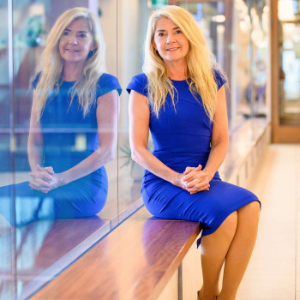
Do you want to learn how to build resilience, boost your cognitive performance, and achieve mental agility? Then it's time to discover the exciting world of brain health and fitness with Thriving Minds. Hosted by renowned neuroscientist Professor Selena Bartlett, Thriving Minds is a podcast dedicated to exploring the latest advances in brain science education. With decades of experience studying addiction, stress, and mental health, Professor Bartlett is a true expert in her field. And she's on a mission to empower people to take control of their mental and physical well-being. So what makes Thriving Minds so unique? It's not just about theory – it's about practical tips and simple tools that you can use to improve your brain health and fitness right now. From understanding how stress wires the brain, the power of cold exposure, nutrition and exercise and connection. Thriving Minds is also a deep dive into cutting-edge brain science and digital technology. From neuroplasticity to brain imaging, Professor Bartlett and her team are at the forefront of this rapidly evolving field. They're exploring the latest research and innovations and sharing their insights with listeners around the world.And the best part? Let's make brain health everyone's business. They're inspiring people to take action and create a culture of mental fitness, where people prioritise their brain health as much as their physical health. Tune in to the podcast and discover the secrets of brain health and fitness. Whether you're looking to boost your cognitive performance, reduce stress, or improve your overall well-being, Selena and her team are here to help you thrive. The opinions expressed in the podcast are Selena Bartlett's personal opinion and her guests. They are for general informational purposes only and do not constitute the practice of medicine, nursing, psychology or other professional health care services, including the giving of medical advice, and no doctor/patient relationship is formed. The opinions in the podcast do not reflect the opinion of Queensland University of Technology.

Language:

English

Contact:

5102065163


Episodes
Ask host to enable sharing for playback control

Episode #1 Big Feelings, Growing Brains. Connection Before Disconnection. Bringing together the community to support thriving kids.

5/24/2026
Why Children Melt Down When Screens End Why do simple moments like “time to turn it off” so often end in tears, anger, shutdowns, or emotional explosions? In the first episode of Big Feelings, Growing Brains, neuroscientist Professor Selena Bartlett brings together educators, parents, and wellbeing voices to explore what is really happening in the developing brain during screen-time transitions. Featuring: Together, they explore: This episode is not about blame or shame. It is about helping adults better understand growing brains in a rapidly changing digital world. Big Feelings, Growing Brains is a special Thriving Minds mini-series bringing together neuroscience, lived experience, education, and community wisdom to support children, families, and educators. Support the show Subscribe and support the podcast at https://www.buzzsprout.com/367319/supporters/new Learn more at www.profselenabartlett.com

Duration:00:31:57

Ask host to enable sharing for playback control

Episode #217 Are We Raising Anxiety? Dr Danielle Einstein, Clinical Psychologist

5/18/2026
Anxiety in children and teenagers is rising, but are we always helping in the right way? In this powerful conversation, with clinical psychologist Dr Danielle Einstein to explore what anxiety really is, how modern parenting, social media and screens may unintentionally reinforce it, and why avoidance can quietly strengthen fear over time. Drawing on neuroscience, clinical psychology, and real-world family experiences, this episode explores: Dr Einstein also discusses her research on uncertainty and anxiety, and shares insights from her work helping families navigate school stress, social anxiety, gaming, emotional overwhelm, and everyday avoidance patterns. This is not a conversation about blame or “perfect parenting.” It is a conversation about understanding the brain, rebuilding resilience, and helping young people learn they can do hard things. A practical and compassionate episode for parents, educators, clinicians, and anyone supporting growing brains in an increasingly uncertain world. You can learn more about Dr Danielle Einstein and her work here: https://www.danielleeinstein.com/ Support the show Subscribe and support the podcast at https://www.buzzsprout.com/367319/supporters/new Learn more at www.profselenabartlett.com

Duration:00:50:42

Ask host to enable sharing for playback control

Episode #216 Will Agency become the word for 2026? Raising Screen Smart People with Dr Mark Williams

5/6/2026
What does it really mean to raise a screen-smart child in a world that is designed to capture their attention? In this important and timely conversation, I sit down with Dr Mark Williams to discuss his new book with Gavin McCormack, exploring the science, the reality, and the responsibility we all share when it comes to children and screens. Drawing from their new book Screen Smart Children, we go beyond fear and blame to unpack what is actually happening in the developing brain. We talk about attention, emotional regulation, sleep, learning, and how constant digital stimulation is shaping the way children think, feel, and connect. This is not about removing technology. It is about understanding it. Together, we explore: Dr Mark Williams brings deep expertise in cognitive neuroscience, helping us understand attention and memory in a distracted world. He collaborated with Gavin McCormack, bringing decades of experience in education, working directly with children, teachers, and families across the globe. What emerges is a clear and hopeful message: we are not powerless. With the right knowledge and small, consistent changes, we can reshape children’s environments and support healthier brain development. This episode is for parents, educators, and anyone who cares about the next generation. Because this is not just about screens. It is about the kind of minds we are shaping for the future. 📘 Resources & Links Thriving Minds Newsletter: https://www.linkedin.com/article/edit/7457652593234919424/ Thriving Minds in the Age of AI https://www.amazon.com.au/dp/0999099779?ref=yb_qv_ov_prnt_dp_rw Book: Screen Smart Children https://www.simonandschuster.com.au/books/Screen-Smart-Children/Mark-A-Williams/9781761639715 https://www.amazon.com.au/Screen-Smart-Children-helping-switches/dp/1761639714 Dr Mark Williams https://www.drmarkwilliams.com/ Gavin McCormack https://www.linkedin.com/in/gavinmccormack/ #ScreenSmartChildren #ThrivingMinds #Neuroscience #DigitalWellbeing #ChildDevelopment Support the show Subscribe and support the podcast at https://www.buzzsprout.com/367319/supporters/new Learn more at www.profselenabartlett.com

Duration:00:42:36

Ask host to enable sharing for playback control

Episode #215 Contained. Are we guardians or thieves or both? Benjamin Knight, Co-Founder of A curious tractor, and Lead, AIME design studio

4/6/2026
If we are honest, we know we are not one fixed version of ourselves. We can be generous and self-interested, patient and reactive, all within the same day. In this episode, we explore that uncomfortable truth and what it reveals about human behaviour. I sit down with Benjamin Knight to discuss Contained, a powerful immersive experience that brings you inside the reality of youth detention. It asks a confronting question: how different are “we” from “them,” really? Through story, neuroscience, and lived experience, this conversation unpacks how behaviour is shaped not just by character but by conditions, pressure, context, and whether someone was there to help us pause and choose differently. We explore: This is not about excusing behaviour. It is about understanding it. Because when we understand what shapes people, we can start to build environments that support better choices. This episode will leave you reflecting on your own moments at the edge and asking a bigger question: What would we build if we truly understood how much conditions matter? https://www.linkedin.com/in/benjamin-knight-53854061/ Support the show Subscribe and support the podcast at https://www.buzzsprout.com/367319/supporters/new Learn more at www.profselenabartlett.com

Duration:00:43:13

Ask host to enable sharing for playback control

Episode #214. Can Pickleball Save Us? Rebuilding Community at the Edge of the Meta-Crisis. Andy Hamilton, Founder of Human Nature

3/26/2026
What if the pickleball court was the beginning of a movement? Not a fitness trend, but a genuine response to one of the most significant public health challenges of our time: the slow erosion of the social fabric that holds communities together and keeps people well. I was sharing an Uber Pool on my way to speak to a room full of local council leaders when the woman sitting next to me started talking about why she had left her job in tech. She had spent a decade building a platform connecting people with mental health support, successful by every boardroom measure, but from the inside, she could see what the metrics weren't capturing. People were receiving care and returning to lives where the loneliness that had made them unwell in the first place remained completely untouched. So she walked away from the platform and built something you can walk into. Nineteen indoor pickleball courts, a food hall, a co-working space, not a wellness program or an app, but a place where people have a reason to show up regularly and, over time, begin to genuinely know each other. After thirty years of studying the brain, this makes complete sense to me. Authentic social connection isn't a nice addition to a healthy life; it sits at the very centre of brain health. Our nervous systems are built for it; we regulate each other, we find safety in each other, and when that is missing as a chronic condition of daily life, the consequences are neurological, not just emotional. We have understood this for a long time, and we keep building systems that ignore it. This is why the work of Andy Hamilton and the team at Human Nature matters so deeply to me. They haven't tried to build a better version of youth detention; they have created environments where young people can experience connection, responsibility and being genuinely seen, often for the first time. The outcomes are simply what happens when you finally give people what was missing. We have always known what works. The question has never really been about knowledge; it has been about whether we are willing to accept that we are all responsible for the answer. I take you inside Andy Hamilton's work with Human Nature, and what three decades of neuroscience tell us about why environments like his produce the results they do. I also explore what the woman in that Uber Pool understood about community that most policy and technology still don't, and what weeding a park together might have to teach us about where we go from here. If you work in community, leadership, health, or simply care about what kind of world we are building, this one is for you. https://humannature.org.au/people/andy-hamilton/ Support the show Subscribe and support the podcast at https://www.buzzsprout.com/367319/supporters/new Learn more at www.profselenabartlett.com

Duration:00:49:56

Ask host to enable sharing for playback control

Episode #213. Kindness Tim Tams: A World a Little Better Because of Rachel Robinson, MySummits

3/7/2026
Kindness Tim Tams: A World a Little Better Because of Rachel Robinson, MySummits In this episode of Thriving Minds, Professor Selena Bartlett speaks with Rachel Robinson, Director of Adventure-Based Therapeutic Solutions (ABTS) and co-founder of MySummits, about the transformative impact of connection and outdoor adventure for young people. Rachel shares a story from one of her camps where offering a struggling young person a simple Tim Tam became a powerful moment of kindness and care. Drawing on nearly two decades working in child safety, Rachel explains how adventure-based therapeutic camps help young people rebuild confidence, develop trust and experience belonging through activities such as hiking, camping and mountain biking. The conversation explores: • Why having one adult who cares can change a young person’s life • How outdoor adventure supports emotional regulation and confidence • the importance of connection for young people facing adversity • Rachel’s vision for expanding these programs so that more young people can benefit The episode also touches on emerging research examining screen use and self-harm and suicidal behaviours in young people, highlighting the growing importance of real-world connections and supportive relationships. This episode is a reminder that meaningful change often begins with something simple. One person who cares. A moment of kindness. And sometimes, a Tim Tam shared in a camp. Learn more: https://www.mysummitabts.com.au/ Support the show Subscribe and support the podcast at https://www.buzzsprout.com/367319/supporters/new Learn more at www.profselenabartlett.com

Duration:00:46:10

Ask host to enable sharing for playback control

Episode #212 Helping Kids Grow Up Strong in 2026 | What Schools Are Facing and What We Can Do Bryan, A Teacher, Coach and Father Speaks

2/26/2026
"I believe that education is all about being excited about something. Seeing passion and enthusiasm helps push an educational message. " In 2026, many parents, teachers and coaches are asking the same question. What is happening to our children? Across schools and communities, we are seeing more aggression, faster escalation of conflict, online humiliation spilling into classrooms, and young people struggling to regulate strong emotions. At the same time, childhood is now lived through screens in fast, stimulating, comparison-driven digital environments that developing brains were never designed for. In this episode, I sit down with Bryan, Head of Student Engagement, football coach, father and husband, who works with young people every day. We talk honestly about what he is seeing on the ground. Rising reactivity. Exposure to gambling culture through sport. Earlier access to drugs and alcohol. The growing pressure that boys and girls are facing in 2026. This is not a blame conversation. What does constant stimulation do to a developing brain? How does sleep loss affect impulse control? Why are some conflicts escalating so quickly? And what can parents, schools and communities actually do to help? We explore the neuroscience of regulation, the difference between character and capacity, and why connection must come before correction. Most importantly, we focus on practical steps. Strengthening sleep, protecting childhood from screens, rebuilding community boundaries, and restoring the conditions that help children thrive. Screens are not the only factor. But unregulated exposure in developing brains is not neutral. If we want safer communities, we must build stronger nervous systems. If we want resilient adults, we must protect childhood. Based on the sources, physical activity is not viewed as a reward but as essential biology that supports the nervous system and builds the capacity for frustration tolerance. The following activities and approaches are highlighted as beneficial: • Team-Based Sports with "Flow": Engaging in sports that emphasise team dynamics—like the New Zealand All Blacks’ "caterpillar" model—helps students move away from individual frustration and social comparison. When a team "flows" together, they learn to communicate and work together to "fix links" when someone fails, rather than a student feeling like a "loser" when they don't personally score. • Outdoor Time: Restoring outdoor time is considered a high-leverage intervention to help regulate the nervous system. This provides a necessary break from the chronic load of digital stimulation and screens, which often depletes a student's ability to handle setbacks. • Mindful Movement and Stretching: Incorporating daily stretching can help transition the brain from a reactive state to a centred one. These "tiny habits," when done consistently, help rewire the brain for better emotional control and less reactionary behaviour. • Walking and Connection: Physical activities that facilitate conversation, such as group walks, can help students and adults alike "unpack" their day and process frustrations through connection rather than isolation. • Competitive Play with Resilience Modelling: While competitive sports like football or rugby league can be sources of frustration, they serve as a training ground for resilience if adults model how to "bounce back" after a loss rather than blaming others. Ultimately, these activities support frustration tolerance by strengthening human capacity—including social intelligence and emotional regulation and to keep Support the show Subscribe and support the podcast at https://www.buzzsprout.com/367319/supporters/new Learn more at www.profselenabartlett.com

Duration:00:46:16

Ask host to enable sharing for playback control

Episode #211. What happens to your brain, body and mind when you run: Learn about exerkines with Associate Professor Tara Walker, Queensland Brain Institute, UQ and Co-host of Trail Tales

2/16/2026
This week on Thriving Minds, I’m joined by Associate Professor Tara Walker, Senior Research Associate at the Queensland Brain Institute (UQ) — and co-host of the trail running podcast Trail Tales with Tara and Bryce. Tara and I are both neuroscientists, and we both love running. In this episode we explore the science and the joy of trail running — what it does for brain health, mental health, confidence, and connection. We talk about why running on trails feels so different to road running, how being in nature changes the experience, and why community is often the missing ingredient for people who think “I’m not a runner.” We also dive into Tara’s research program investigating how lifestyle interventions like exercise and diet support brain health, including what we’re learning about hippocampal neurogenesis, exercise-related blood factors (exokines), and the emerging idea of exercise mimetics — ways to mimic some of the benefits of exercise for people who can’t run. Along the way, Tara shares her personal trail-running journey — from her first 10–12km trail race to ultras and 100km events, and the mindset and training strategies that make endurance possible. We also discuss injuries, why trail running is booming, and how moving outdoors can help us feel more regulated, less stressed, and more connected. If you’ve ever felt disconnected, stuck at a desk, or unsure how to start moving again, this is a practical and hopeful conversation — grounded in real neuroscience and real life. Listen now — and if you’re in Brisbane, you might even want to join a community run (koalas included). Support the show Subscribe and support the podcast at https://www.buzzsprout.com/367319/supporters/new Learn more at www.profselenabartlett.com

Duration:00:50:25

Ask host to enable sharing for playback control

Episode #210. Don’t Break Their Spirit. Learnt helplessness in the AI era. Professor Selena Bartlett

2/14/2026
What happens when we mistake compliance for strength? In this episode of Thriving Minds, Professor Selena Bartlett explores a powerful and confronting conversation with a man who was proud of the physical punishment he received as a child. He believed it made him disciplined. He believed it taught him consequences. He believed it made him better. But beneath that story lies a deeper question: when does discipline build character, and when does it condition helplessness? Drawing on neuroscience, behavioural science, and parallels from the multi-billion-dollar horse industry, Selena unpacks the psychology of learned helplessness — the state that occurs when repeated stress teaches a nervous system that effort does not change outcomes. A quiet being is not always a regulated being. Sometimes it is a shut-down one. From parenting to leadership, from classrooms shaped by industrial efficiency to the rise of AI-driven optimisation, this episode challenges us to rethink control, compliance, and the architecture of agency. True resilience is not built through fear. It is built through co-regulation, relationship, and adults who can pause rather than react. If we want thriving minds, communities, and countries, we must ask ourselves: Are we building agency — or perfecting compliance? #ThrivingMinds #LearnedHelplessness #IntergenerationalTrauma #AgencyMatters #Neuroscience #Parenting #Leadership #Resilience #EmotionalRegulation #CoRegulation #HumanDevelopment #BeyondCompliance #DontBreakTheirSpirit Support the show Subscribe and support the podcast at https://www.buzzsprout.com/367319/supporters/new Learn more at www.profselenabartlett.com

Duration:00:10:47

Ask host to enable sharing for playback control

Episode #209. "Authenticity" may become the word for 2026? Conversation with Ellie Murphy, Founder of Storitiv.

2/7/2026
In this episode of Thriving Minds, Professor Selena Bartlett is joined by Ellie Murphy, founder of Storitiv, to explore why authenticity is becoming one of the most important human skills in an AI-mediated world. As technology makes it easier than ever to generate polished language, profiles, and narratives, many people are sensing a growing gap between how they present themselves and what feels true underneath. This conversation examines why that gap matters, how humans are wired to detect authenticity, and why trust, consistency, and follow-through remain central to meaningful work and relationships. Drawing on neuroscience, evolutionary insight, and lived experience, Selena and Ellie discuss authenticity not as branding or performance, but as alignment. They explore why oversharing isn’t the same as honesty, how misalignment shows up in the nervous system, and why trust is a key driver of productivity, speed, and psychological safety at work. This episode is for anyone who feels that the story they’re telling no longer quite fits, and who is navigating leadership, identity, or connection in a world where words are easy to polish, but truth is still felt. In this episode, we explore: 🎧 Thriving Minds explores brain health, human connection, and what it takes to thrive in a rapidly changing world. Support the show Subscribe and support the podcast at https://www.buzzsprout.com/367319/supporters/new Learn more at www.profselenabartlett.com

Duration:00:47:27

Ask host to enable sharing for playback control

Episode #208. Welcome 2026. From Crisis to Care: Seeing humanity in mental health prevention and treatment, Professor Sharon Lawn, Executive Director Lived Experience Australia

1/22/2026
The podcast episode featured a conversation with Professor Sharon Lawn about mental health systems, lived experience, and the importance of humanising care for individuals with mental health challenges. We discuss the need for more person-centered, compassionate approaches in mental health services and the value of incorporating lived experience perspectives into research, policy, and practice. The conversation emphasized the significance of community support, everyday acts of kindness, and treating individuals with dignity beyond their diagnoses to transform mental health care systems. Sharon covered several key topics: Personal and Professional Background Lived Experience in Mental Health Dehumanisation and Systemic Issues Transforming Mental Health Services Humanisation and Connection Based on the meeting discussion, Sharon Lawn recommends several specific changes for mental health systems: Shift from Crisis-Driven to Proactive Care Humanise and Personalise Services Incorporate Lived Experience Respect Autonomy and Rights Integrate Formal and Informal Support Support the show Subscribe and support the podcast at https://www.buzzsprout.com/367319/supporters/new Learn more at www.profselenabartlett.com

Duration:00:51:53

Ask host to enable sharing for playback control

Episode #207. Thank you for listening and a Blueprint for Feeling Good to Finish out 2025.

12/8/2025
Episode #207 marks a moment of deep gratitude and reflection. In this special episode, I look back on the journey that shaped Thriving Minds from the early days of questioning how the brain works, through decades of neuroscience, to the new era we are stepping into together. This episode explores how early life experiences shape the nervous system, why connection is a biological regulator, and how compassion, presence and daily habits drive real neuroplastic change and where AI and digital technologies will transform how we detect anxiety, personalise support, and understand the social brain, while reminding us that healing will always come from human connection. We close the episode with the key takeaways from 2025—lessons to carry forward: Connection is medicine.Healing is relational.Neuroplasticity is always possible.ACEs matter, but they are not destiny.Digital life must be redesigned for wellbeing.We are each other’s environment.A hopeful, science-grounded blueprint for anyone seeking resilience, clarity and a future built on seeing and supporting one another as we close out 2025. Support the show Subscribe and support the podcast at https://www.buzzsprout.com/367319/supporters/new Learn more at www.profselenabartlett.com

Duration:00:24:43

Ask host to enable sharing for playback control

#206: Thriving Minds 2026: The Future is Connection, Healing & Human Potential

12/6/2025
2025 has felt like a turning point. Across this year’s Thriving Minds conversations—from brain health and dementia, to stress, team flow, near-death experiences, and the “neuroscience of two”—one message keeps rising to the surface: We are only just beginning to understand how powerful we are for each other’s brains. In this special reflection episode, I explore what we learned in 2025 and where Thriving Minds is heading next, at the intersection of neuroscience, healing, neuroplasticity and community. We dive into the major shifts reshaping neuroscience today: • The move from snapshots to living, dynamic brains, made possible by new imaging and genomic tools. • The neuroscience of two (and many) with insights from Dr Joy Hirsch on interbrain synchrony and why being in the same room matters. • Bioelectricity, fields and consciousness, inspired by conversations with Dr Bruce Greyson on near-death experiences. • A “middle way” that unites rigorous science with lived experience, trauma, recovery and human stories. We discuss how healing is changing—from a symptom-focused view to a relational, systemic model—where early life experiences shape the nervous system, and being truly seen becomes a biological event that calms and connects the brain. We revisit practical lessons in neuroplasticity and resilience: small daily actions that build new habits, strategies that strengthen the prefrontal cortex, and a shift from deficits to capacity—especially important in ageing, dementia and mental health. And we explore the powerful truth revealed again and again this year: Community is part of our neurobiology. Humans regulate each other. Team flow, synchrony, compassion and presence activate brain networks that cannot be accessed alone or online. Finally, we look ahead to the future of Thriving Minds: bringing connection neuroscience into real-world settings, designing homes, schools and workplaces aligned with what we now know about the brain, and continuing to build a bridge between science and lived experience. If these ideas resonate, subscribe to the Thriving Minds podcast and join the growing community working toward a more hopeful, brain-wise future. We change our brains—and each other’s—every day. The opportunity for the next decade is to do it consciously, together. #ConnectionNeuroscience #ThrivingMinds #Neuroscience2026 #BrainHealth #HumanConnection #InterbrainSynchrony #Neuroplasticity #CollectiveIntelligence #CommunityHealing #RelationalNeuroscience Support the show Subscribe and support the podcast at https://www.buzzsprout.com/367319/supporters/new Learn more at www.profselenabartlett.com

Duration:00:16:16

Ask host to enable sharing for playback control

Episode #205: DeepDive: The Strongest Shield: Why Parental Discomfort is the Biggest Threat to Child Safety and the Two Proactive Tools Every Adult Needs Now, Feather Berkower Expert Tips

11/8/2025
Thriving Minds Podcast Deep Dive: Building a Child Sexual Abuse Prevention Team Hosted by Professor Selena Bartlett Expert: Feather Berkower, Author of Off Limits: A Parent’s Guide to Keeping Kids Safe from Sexual Abuse The top 5 things to keep children safe in the digital age. Feather challenges the outdated belief that children should be responsible for protecting themselves. Instead, she empowers adults to take charge by building what she calls a “Prevention Team.” This team includes everyone in your child’s world—teachers, coaches, grandparents, babysitters—and sets clear boundaries and safety rules that deter potential offenders before they ever gain access. It is the small, brave conversations that can make a lifelong difference. From teaching kids the difference between secrets and surprises, to addressing online grooming and exposure to pornography, Feather shows how open, honest, and continuous dialogue is the most powerful protection tool we have. Top 5 Takeaways for Parents Adults are responsibleTalk, talk, talk—and don’t stop talkingBuild your Prevention TeamDiscomfort is protectiveUse practical toolsOff LimitsThis episode will leave you informed, empowered, and ready to create a safer world for children—one conversation at a time. Support the show Subscribe and support the podcast at https://www.buzzsprout.com/367319/supporters/new Learn more at www.profselenabartlett.com

Duration:00:08:23

Ask host to enable sharing for playback control

Episode #204 Let Them be Seen. Because healing begins when we choose to see — and to be seen.

10/21/2025
The “Let Them Theory” has taken over the internet as a soothing mantra that tells us: If they don’t choose you, let them. It’s everywhere, in reels, podcasts, and quotes , reminding us to stop chasing people who don’t choose us. The phrase exploded when Mel Robbins reframed it as a mindset tool —a neurological reset for our overactivated threat systems. Before that, it began as a viral poem by Cassie Phillips, a trauma survivor and writer who gave language to the pain of letting go. Her words struck a collective nerve. Excerpt: Cassie Phillips — Just Let Them (Read in calm, measured tone) You can read the full poem and follow Cassie’s work at @cassie.phillips.letthem . The Visible Brain That’s what I explore in my new book, Visible: Rewiring Your Brain for Love, Resilience, and the Courage to Be Seen. Sometimes the bravest thing we can do isn’t to let them, but to let ourselves be seen. Because visibility is not weakness — it’s biology. Through synchrony, shared attention, and compassion, we rewire the brain for trust and connection. Our neural pathways change when someone sees us — really sees us — and still stays. So maybe the next step in the “Let Them” movement isn’t “let them” But let yourself be seen. I see your struggle. I see your fear. I see your humanity. Listen & Reflect In this week’s Thriving Minds Podcast, I read from Visible: Rewiring Your Brain for Love, Resilience, and the Courage to Be Seen and unpack how our brains heal through empathy and presence — not avoidance. Because healing begins when we choose to see — and to be seen. Support the show Subscribe and support the podcast at https://www.buzzsprout.com/367319/supporters/new Learn more at www.profselenabartlett.com

Duration:00:34:27

Ask host to enable sharing for playback control

#203: If only I knew what I know now. Science of Motherhood podcast, interview with Dr Renee White

8/21/2025
Today on Thriving Minds, I’m sharing a special replay of my conversation with Dr. Renee White on her Science of Motherhood podcast, where we explored what I wish I knew then—now that I know this—about screens, resilience, and protecting our kids’ mental health in the digital age. Screens are part of everyday life, but learning how to manage them while protecting our children’s mental health can feel like an uphill battle. In this candid conversation, Professor Selena Bartlett shares the lessons she wishes she knew earlier as a parent—now backed by decades of neuroscience research into stress, resilience, and brain plasticity. You’ll hear practical, science-informed strategies to help you: This isn’t about removing technology altogether—it’s about using it mindfully, while safeguarding what matters most: your child’s mental health and your family’s connection. Resources & Links @fillyourcup_ The Science of Motherhood🌿 Connect with Professor Selena Bartlett: profselenabartlett.com @prof_selena_bartlett womenrise.com.au If this replay sparks an “I wish I knew that earlier” moment for you, share it with another parent navigating the same challenges—and subscribe so you don’t miss future episodes of Thriving Minds. Support the show Subscribe and support the podcast at https://www.buzzsprout.com/367319/supporters/new Learn more at www.profselenabartlett.com

Duration:01:08:51

Ask host to enable sharing for playback control

Episode #202. What is a BRAINWAVE? Why Science, Medicine and Healing Modalities Are Coming Together, Dr Caitlin Shure, PhD, NY-based technologist and science communicator.

7/24/2025
“The brain wave is not just a scientific object—it’s a cultural one.” – Dr. Caitlin Shure What is a brain wave? How “brain waves” became a metaphor for mind control, telepathy, and spiritual resonance. That’s the question we explore in one of the most surprising and thought-provoking episodes of the Thriving Minds podcast to date—with science journalist and technologist Dr. Caitlin Shure, whose PhD work traced the strange cultural journey of the brainwave from telepathy and spiritualism to modern neurotech and wellness wearables. Link to Episode #202: Brainwaves, Culture, and the Future of Healing. It turns out this simple question—"What is a brain wave?"—unlocks a much deeper one: A deceptively simple question—yet one that opens a portal into 150+ years of science, culture, and imagination. The Rise (and Risk) of Neuroscience/Brain-Based Everything Today, brainwaves are everywhere—from EEG sleep trackers and meditation headbands to marketing slogans and Instagram therapists. And yet: hope, hype, and helplessnessCaitlin and I discussed how this confusion reflects a crisis in our time: 👉 A loss of trust in science 👉 The exploitation of wellness culture 👉 The seductive myth that the mind can be “optimized” or “uploaded” 👉 And a growing yearning for something beyond both clinical reductionism and magical thinking 💡 Why This Matters Now As someone who has studied the brain for three decades, I’ve seen how easily science can become siloed—or exploited. I've also seen how desperately people are searching for hope, healing, and clarity in an overwhelming world. We’re overstimulated, overtired, and often overpromised. But there's a way forward. And it’s not at either extreme. 🔄 The Middle Way is emerging as a necessary path. One that honours science and soul. Logic and lived experience. Data and deep feeling. This is how we build real health systems—ones that don’t just treat symptoms, but restore agency, belonging, and meaning. 🔗 Let’s Keep the Conversation Going Have you ever used neurotech? Do you think science is losing (or gaining) trust in your community? What does a “Middle Way” look like in your work? I’d love to hear your thoughts. Join the conversation in the comments or on LinkedIn #Neuroscience #ThrivingMinds #ScienceCommunication #MiddleWay #EEG #BrainWaves #Healing #BrainHealth #WellnessCulture #Neuroplasticity #ScienceMeetsSoul #CaitlinShure #SelenaBartlett #TeamFlow #Syntony #Neurotech #HealthLiteracy Support the show Subscribe and support the podcast at https://www.buzzsprout.com/367319/supporters/new Learn more at www.profselenabartlett.com

Duration:00:48:13

Ask host to enable sharing for playback control

Episode #201: How to Synchronise to Thrive in the AI Age. Latest neuroscience of inter-brain synchrony!

7/10/2025
For most of my career in neuroscience, I believed the brain alone governed who we are—shaped by genetics, evolution, and early life experiences. I trusted in the power of brain imaging and genomics to reveal the answers. But after decades spent mapping neural circuits, a deeper truth emerged: We are not isolated minds in skulls. We are wired to connect. In this episode, I explore the revolutionary science of interbrain synchrony—how our brains light up in rhythm with others when we’re emotionally attuned, collaborating, or solving problems together. Thanks to researchers like Dr. Joy Hirsch, we now understand our ability to thrive may not reside solely in the brain, but between us. As AI disrupts our workplaces and rewires our attention, we’re increasingly disconnected—from ourselves, each other, and our natural states of flow. But what if we could reclaim connection? What if the edge we need in this uncertain age isn’t more speed or knowledge, but more synchrony? Drawing parallels from nature—like how fish shoal and school to protect, move, and thrive together—I share a new vision for leadership and learning: designing environments where team flow becomes the norm, not the exception. This episode is an invitation to rethink intelligence, leadership, and the future of work—through the lens of relational neuroscience. 🔍 Topics covered: 🎧 Tune in to learn how to turn overwhelm into alignment—and why fish don’t swim alone, and neither should we. #TeamFlow #Neuroscience #InterbrainSynchrony #Leadership #AIandHumanity #Synchrony #MindsetShift #FutureOfWork #PodcastEpisode #SocialBrain Support the show Subscribe and support the podcast at https://www.buzzsprout.com/367319/supporters/new Learn more at www.profselenabartlett.com

Duration:00:24:19

Ask host to enable sharing for playback control

Episode #200. Proof of Life After Death? Neuroscience Meets Near-Death with Dr. Bruce Greyson, Psychiatrist, Author of After: A Doctor Explores What NDEs Reveal about Life and Beyond

7/9/2025
🎧 Thriving Minds with Professor Selena Bartlett welcomes Dr. Bruce Greyson, a pioneering psychiatrist and Professor Emeritus at the University of Virginia, for a profoundly moving and scientifically grounded conversation on near-death experiences (NDEs) and the nature of consciousness. In this episode, Dr. Greyson reflects on his 40 years of research, the development of the Greyson NDE Scale, and his acclaimed book After, which explores what NDEs reveal about the mind, death, and what might lie beyond. Together, they delve into the profound stories from Dr. Greyson’s clinical career, including verifiable accounts of consciousness during clinical death, and how these findings challenge the long-held assumption that the brain is the sole source of awareness. Dr. Greyson also shares how studying NDEs transformed his own scientific beliefs, why materialism may not offer all the answers, and how this research can reshape mental health, medical training, and how we approach grief, dying, and healing. This is a conversation at the frontier of science and mystery, offering hope, humility, and a glimpse at the next revolution in understanding the human mind. 📘 After by Dr. Bruce Greyson is available now. https://www.amazon.com.au/After-Doctor-Explores-Near-Death-Experiences/dp/1250263034 🎙️ Learn more at [Thriving Minds Podcast]. Support the show Subscribe and support the podcast at https://www.buzzsprout.com/367319/supporters/new Learn more at www.profselenabartlett.com

Duration:00:44:39

Ask host to enable sharing for playback control

Episode #199. Rewiring Medicine: A Physician’s Path to Intuitive Healing, Dr Anona Blackwell, Genito-urinary specialist, author, academic

6/18/2025
Can you be both a scientist and a mystic? In this extraordinary episode, Professor Selena Bartlett speaks with Dr. Anona Blackwell — a Lancet-published academic, former consultant physician, and author of From Medic to Mystic — about the turning point where evidence-based medicine no longer had all the answers. Raised in rural poverty in Wales and rising to the heights of British medical academia, Dr. Blackwell quietly navigated a parallel world of intuitive experiences, energy healing, and psychic insight. For decades, she kept this side hidden. Now, at 75, she’s sharing it all — and helping rewire our understanding of medicine and healing. In this conversation, we explore: · The moments science couldn’t explain — and why she couldn’t ignore them · How trauma, intuition, and healing intersect in clinical settings · The courage it takes to speak about the unseen in a sceptical world · Why the future of medicine must integrate both body and energy, logic and intuition Dr. Blackwell’s story challenges the idea that you must choose between science and spirit. Instead, she shows us that healing lives at the intersection of both. Her memoir, From Medic to Mystic, is available now. https://www.amazon.com/Medic-Mystic-Academic-Physicians-Paranormal/dp/1068511001 Listen and discover what it really means to rewire medicine. Support the show Subscribe and support the podcast at https://www.buzzsprout.com/367319/supporters/new Learn more at www.profselenabartlett.com

Duration:00:36:27